
anxiouselectricpaulette66
Inhouse product

What are research peptides?
Researchers have explored their role in supporting the body's natural healing processes following injury or physical stress. Some performance-related peptides are studied for their ability to support these processes, helping individuals maintain consistency in their training routines. Others are being studied for their effects on metabolism, hormone regulation and cellular health. In a future where we communicate with our cells in their own language, aging will be managed gracefully, and physical limitations will be seen as temporary hurdles.
We are embracing a shift towards proactive health, maintaining the body's machinery at its highest standard rather than waiting for it to break. There are advancements emerging that could revolutionize the treatment of cognitive decline and metabolic disorders. The potential for peptide therapy is nearly limitless as we look to the future. The liquid-dissolved sample is pushed through a column filled with a special material.
High-performance liquid chromatography, or HPLC, is one of the first and most powerful tools in this detective story. Impurities, like peptide fragments or synthesis byproducts, show up as smaller peaks on the graph. This task is performed with remarkable elegance by HPLC. Molecules, varying in size, charge, and other properties, travel at different speeds and thus exit the column at different times. It's a beautiful sight for a researcher to see a single, sharp, and symmetrical peak, indicating a job well done.
Consider a mixture of different molecules and the task of separating them out. On the resulting graph, the main peak for a peptide indicates the desired molecule. A precise purity reading is given by the percentage of the total area under the curve that belongs to the main peak. Lastly, peptidesrochester.com evaluate their commitment to the scientific community. If you find a vendor that offers rigorous testing, top-notch support, and a real passion for the field, stay with them. Do they have a history of satisfied clients?
They consider their clients as partners in the discovery process. Some suppliers provide additional benefits like educational resources, research grants, or detailed product guides. Choosing well upfront leads to significant savings in time, money, and prevents unnecessary frustrations down the line. Trust is built over time, and a supplier with a long history of serving the scientific community is generally a safer bet than a newcomer with flashy promises but no track record.
However, many products labeled as peptides are not approved medicines, may be mislabeled, and could have uncertain purity, dosing, and contamination risks. Growth hormone secretagogues and associated compounds are often promoted this way, particularly in online sales.
Related products
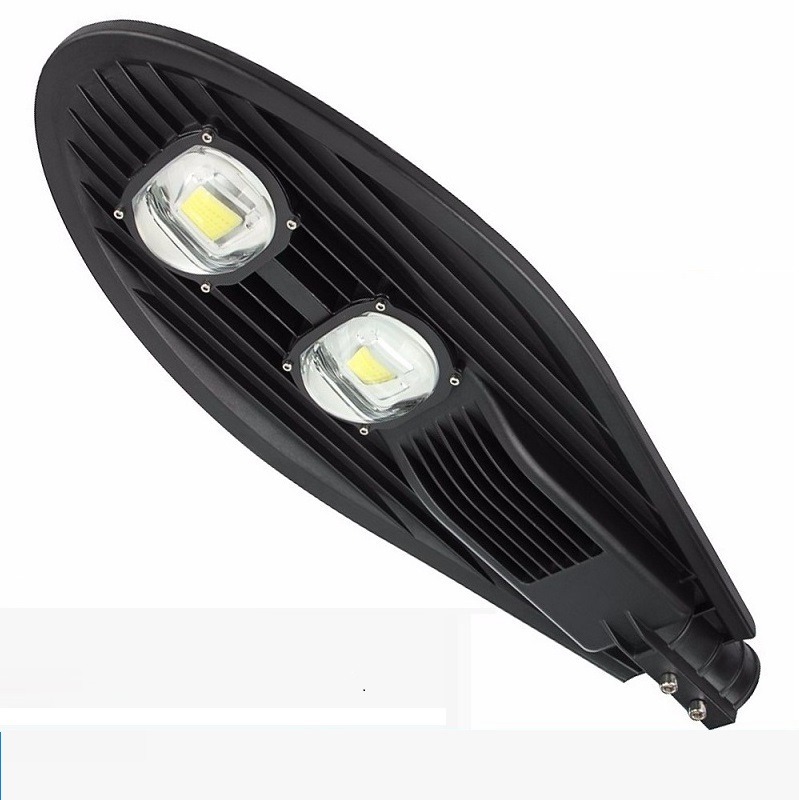
100W Street Light Led White

City Lights Ltd. is the leading lighting company with presence in the United Kingdom, South Africa and other west African countries. The company is currently expanding to other West African countries. It was established in 1989 to import, assemble and sell variety of lighting fixtures.
City Lights offers a wide range of contemporary indoor /outdoor luminaries, intended for variety of applications such as shopping malls, residential buildings, offices, hospitals, nightclubs, hotels, churches and restaurants among others. The company has a high reputation for innovation, quality and reliability and has won several awards over the years.
The company currently operates several “EGLO Branded’ Showrooms across West Africa.
Contact Info
- Address: Cit Lights International Ltd UK, 71-75 Shelton Street, Covent Garden, London, United Kingdom, WC2H 9JQ
- Phone: +447756048454
- Email: support@citylightsonline.com
Other Showrooms
- Lagos Showroom: Eglo Mall 81, Admiral Ayinla Way, Off Freedom Way, Lekki Lagos.
- Abuja Showroom: Blackies Plaza, Opposite Sterling Bank Plc, Ademola Adetokunbo Crescent Wuse 2, Abuja.
- C176/4 Kotoko Avenue, Kokomlemle, Accra Ghana.
- School Junction Showroom , Accra, Ghana.
- West Africa:- East Legon Showroom Adjacent American International School, Near East Legon Police Station, Accra Ghana.